Croatia
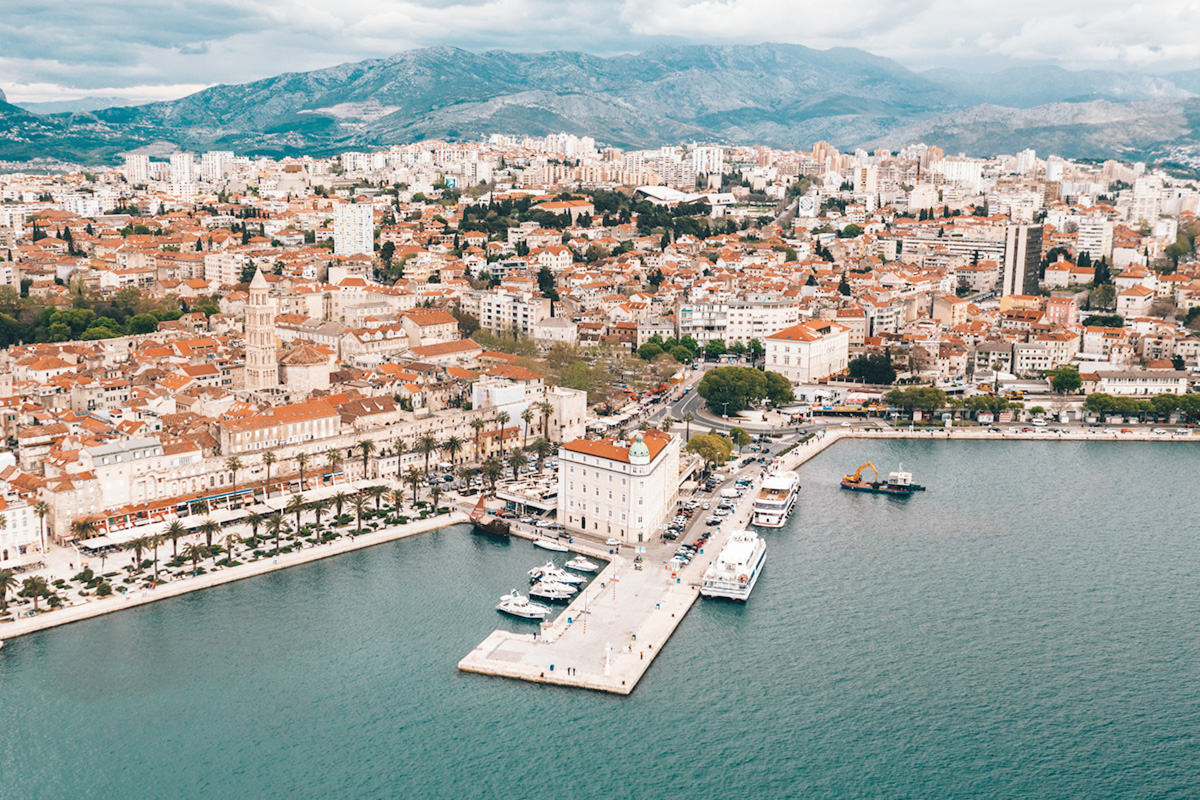
Make your dream holiday a reality visit Split Croatia!
Croatia Travel & Country Guide | Discover Croatia
Croatia sits at the crossroads of Central Europe and the Mediterranean, in Southeast Europe. The country covers 56,594 square kilometers and is home to over 4 million people, most of whom are Croats. Its diverse climate ranges from continental in the north to Mediterranean along the coast, and its Adriatic shoreline features more than a thousand islands, each offering unique natural beauty.
A Glimpse into Croatian History
Our story begins in the 7th century AD, when the Croats settled in the region. Under King Tomislav, it became a unified kingdom and remained independent for nearly two centuries.
In 1102, Croatia entered a personal union with Hungary, maintaining its distinct identity. After the Ottoman advances, the Croatian Parliament elected Ferdinand I of Habsburg as king in 1527, aligning the country with Austria.
Following World War I, Croatia joined the State of Slovenes, Croats, and Serbs, which later became the Kingdom of Yugoslavia. After World War II, it was part of the Socialist Federal Republic of Yugoslavia. In 1991, Croatia declared independence, and the Croatian War of Independence followed, lasting four years.
Modern Croatia
Today, Croatia is a proud member of the European Union, NATO, United Nations, Council of Europe, and the World Trade Organization. It also co-founded the Union for the Mediterranean.
The economy is led by the service and tourism sectors, with tourism generating a large share of national income. Croatia’s modern infrastructure, growing energy investments, and strong ties with the European Union support steady economic development.
Why Visit Croatia
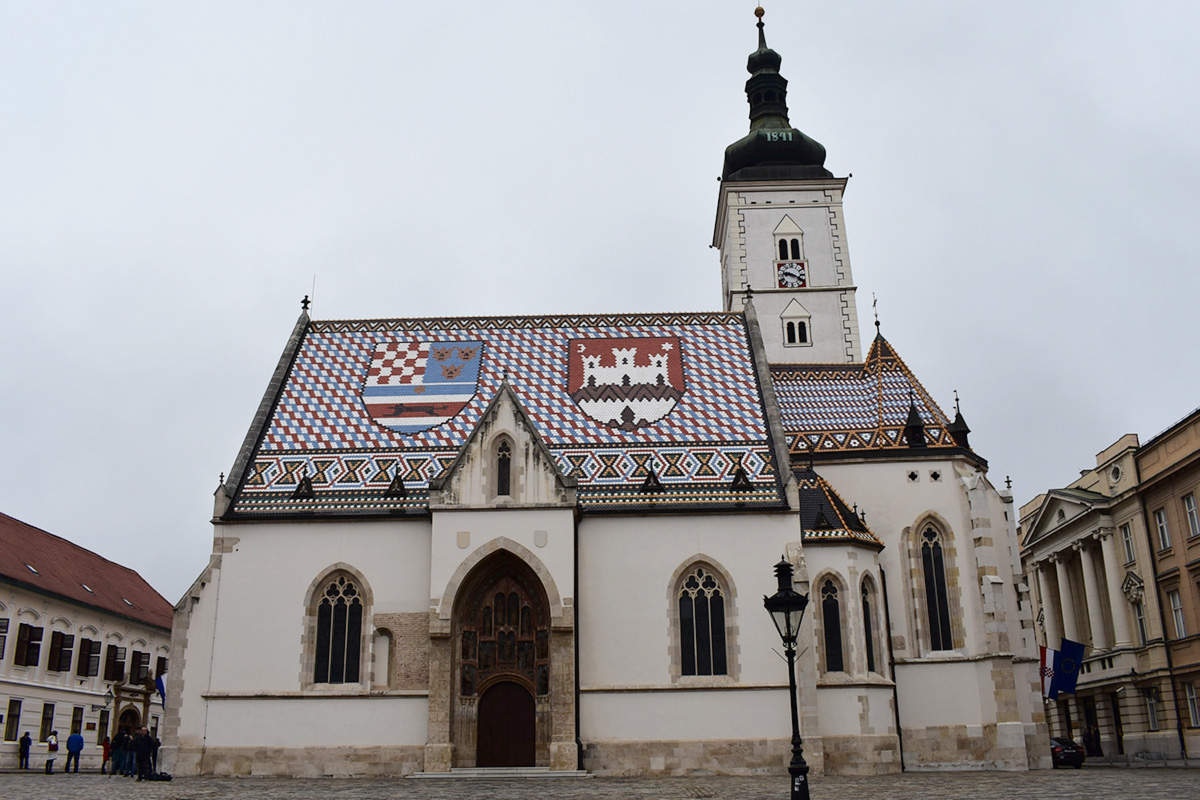
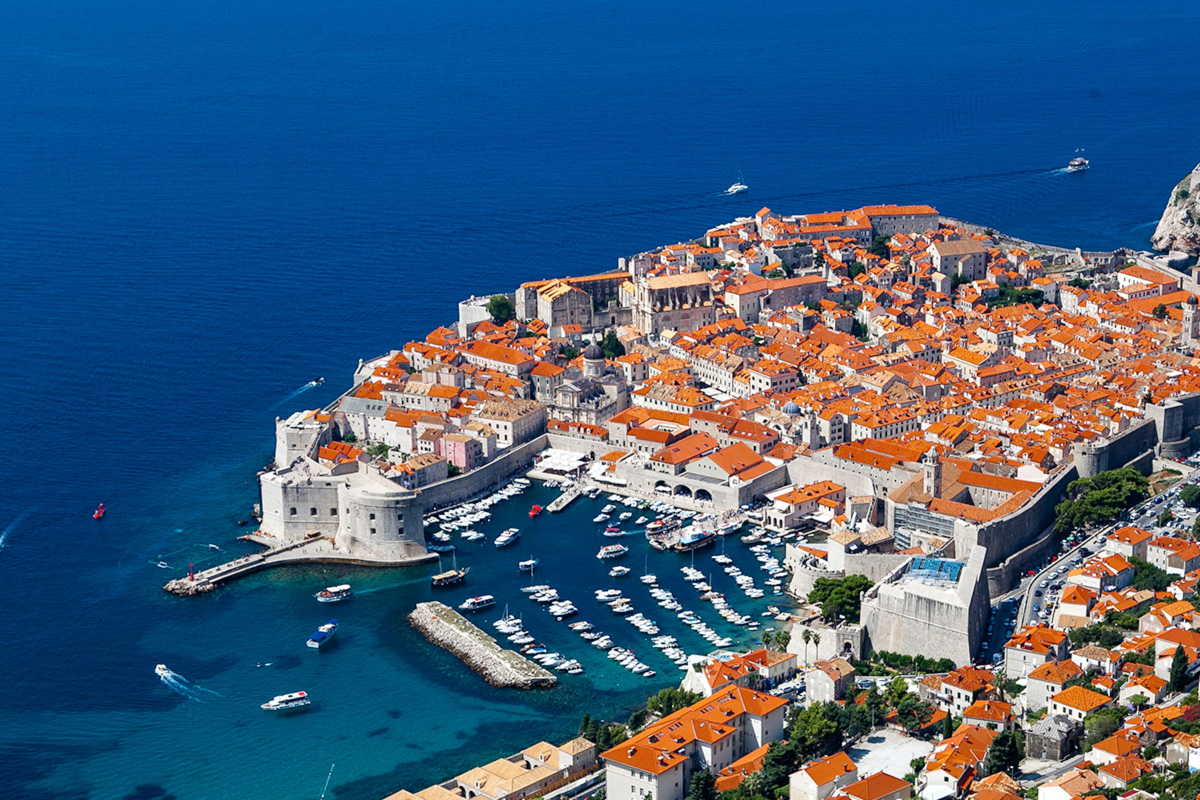
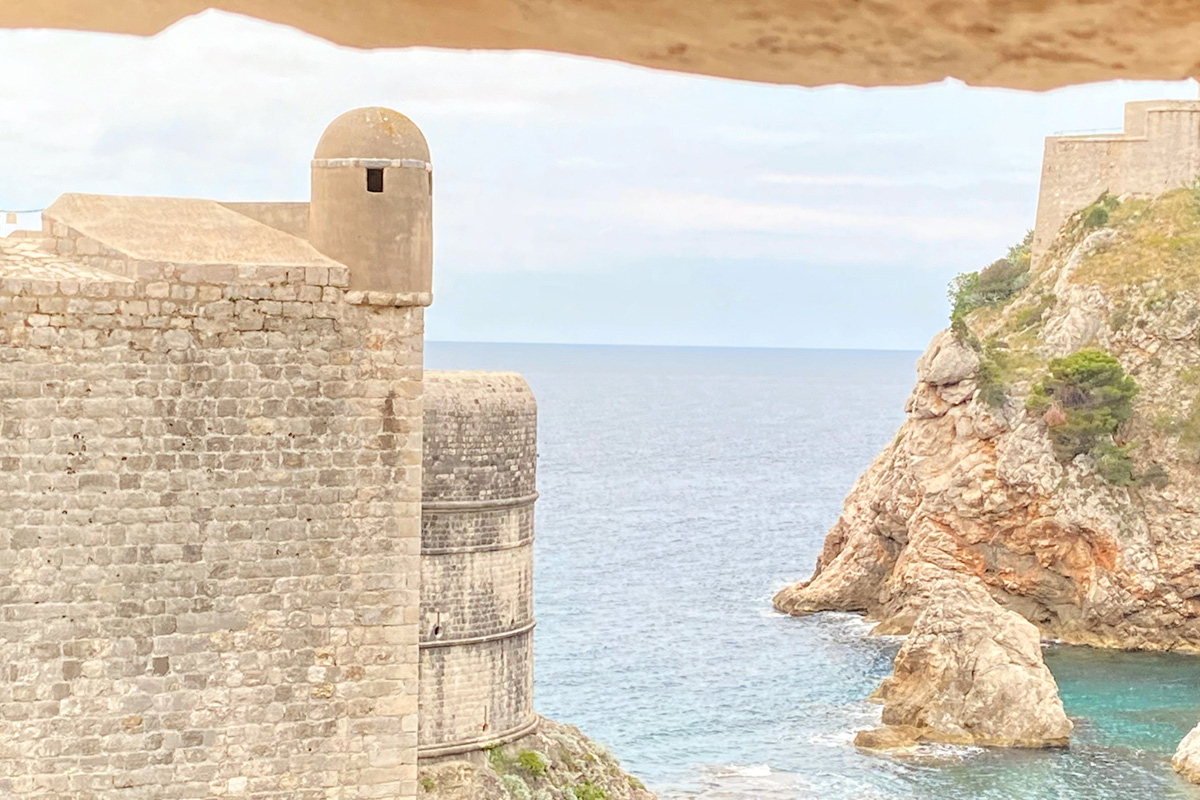
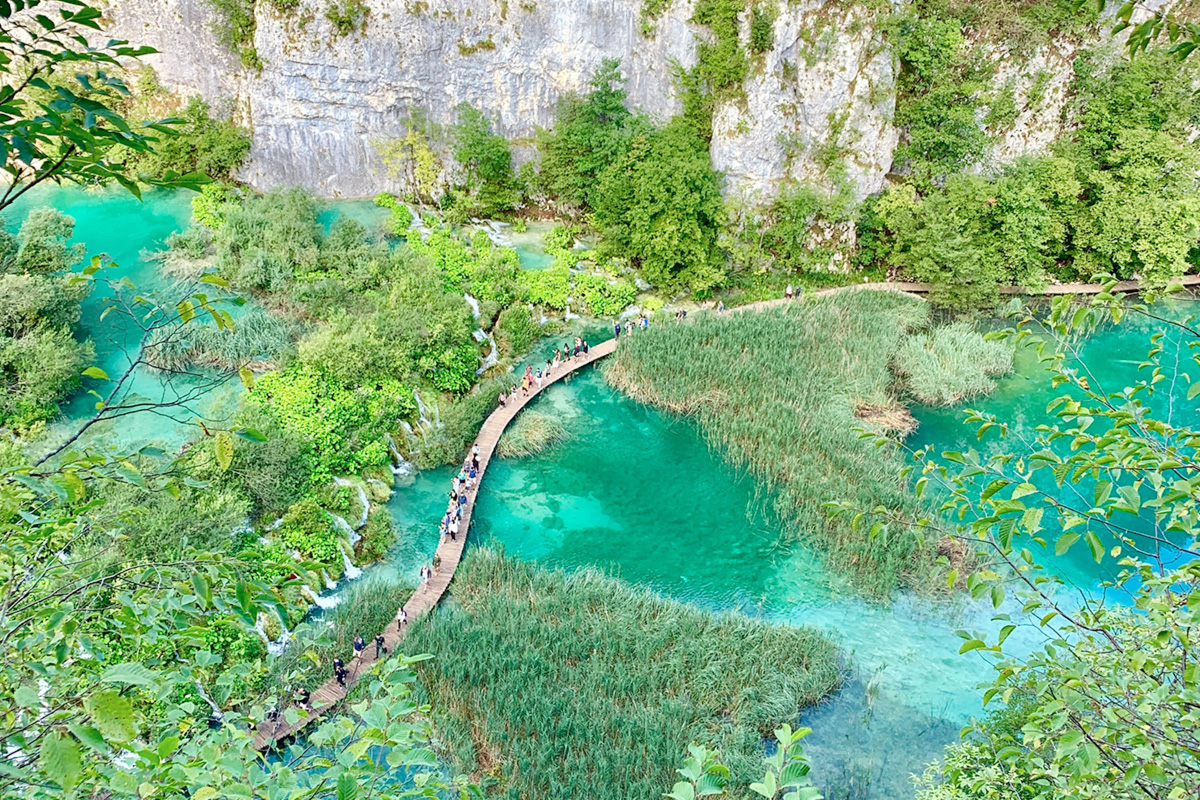
With its mix of ancient heritage, crystal-clear Adriatic waters, and vibrant cities, Croatia stands as one of Europe’s most popular destinations. From historic towns like Dubrovnik and Split to island escapes such as Hvar, Brač, and Korčula, the country offers a perfect blend of culture, nature, and Mediterranean charm.



Highlights
Itinerary
Pricing plan
Schedule
From per person
Quick response time, 100% satisfaction guarantee